The costs on this timeline, such as inspection, survey, and deposit amounts, are typical of what my clients paid in 2025 and 2026, and your quotes may differ.
If you've got any questions, get in touch any time.
Offer Accepted!
Day 1 of 30–60 daysWhen you find the home you're ready to make your own, we will write up an offer in the form of a legal contract. Once you've proofed and signed it, we will present that to the seller. If the seller signs it, then we are officially under contract (also known as "in escrow").

Initial Documents and Earnest Money Deposit
Days 1–3We'll submit your lender's pre-approval letter and a verification of funds to the seller right away.
You'll also need to make an earnest money deposit to escrow. This typically ranges from $1,000 to $40,000, scaling with the purchase price.
For pre-1978 properties, the seller will send along a Lead-Based Paint Disclosure.

Seller Disclosure
Day 5By law, the seller is required to disclose several items about the condition and character of the property (Hawaii Revised Statutes Chapter 508D, exemptions). Typically, this comes in the form of a 100-ish-question questionnaire with some freeform comments or documentation.
The disclosure is commonly referred to as the Seller's Real Property Disclosure Statement or SRPDS, or, more simply, the seller disclosure.
Home Inspection
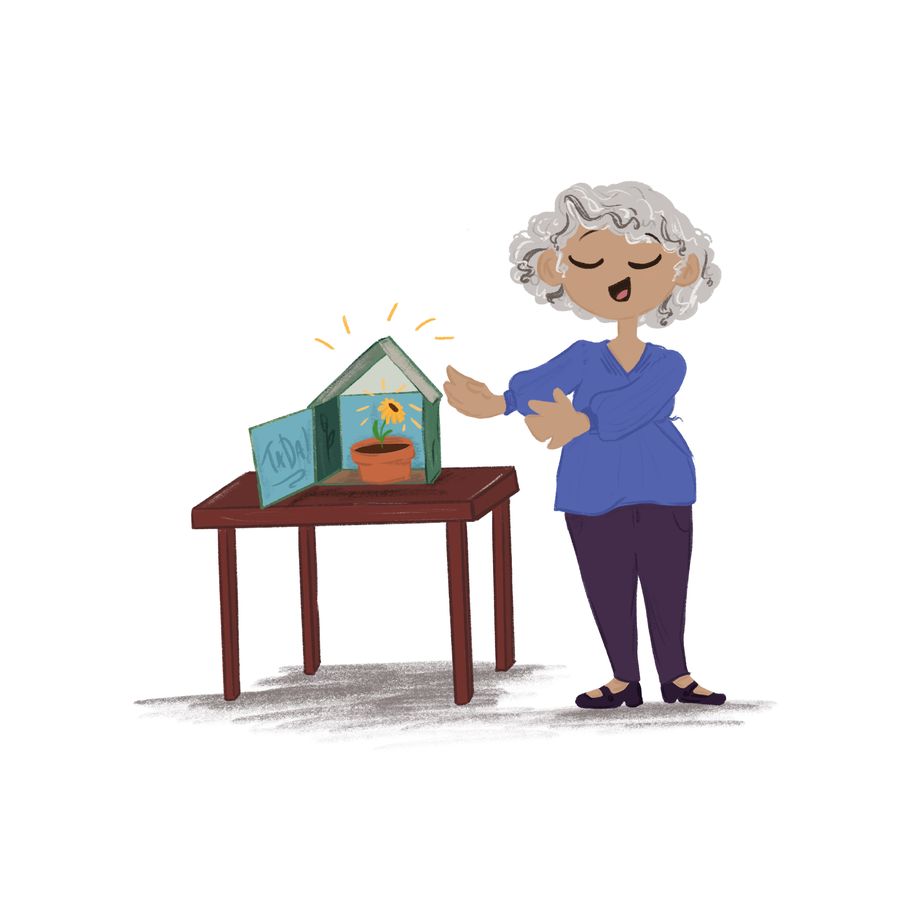
Days 5–7Most buyers will hire a home inspector, a generalist who evaluates the safety and function of the home's components. Depending on findings, the home inspector may recommend that additional specialized inspectors further evaluate particular issues.
Home inspections typically range in cost from about $500 to about $1,000, and the buyer owes payment at or before the time of service.
Specialized inspections (e.g., pipe scoping, roofing inspection, gas line inspection, soil analysis, foundation inspection, mold testing) can vary substantially but are usually in the neighborhood of $500 to $1,000 each.

End of Inspection Period
Days 10–15Under the standard Hawaii purchase contract, the inspection period provides buyers with a get-out-of-jail-free card. If buyers want to cancel for any reason during this time, they can do so and get a full refund of earnest money deposits.
Once this period is over, it gets harder and harder for buyers to terminate the purchase contract and receive full refunds of deposits.

Review HOA Documents
Days 12–14If the property is in a homeowners association (HOA), then the seller will deliver the associated governing documents to the buyer for the buyer's review.
The HOA docs can run to hundreds of pages of, um, riveting prose. We can help you understand what's what and, where necessary, refer you to an attorney for assistance.

Appraisal
Days 15–25If the buyer is using a loan to purchase the home, the bank will hire an appraiser on the buyer's behalf (and expense) to inspect the property and determine its value.
Usually the lender will have collected a ~$900 deposit up front to pay for the appraiser's fee. If the deal is terminated, the appropriate portion of that deposit is transferred to the appraiser. If the deal goes on to completion, the escrow company pays the appraiser at that time from the buyer's deposit.
Assuming a home inspection has been done, once the appraisal is ordered, the buyer has spent about $1,500 to $2,000 in nonrefundable services so far.
Survey
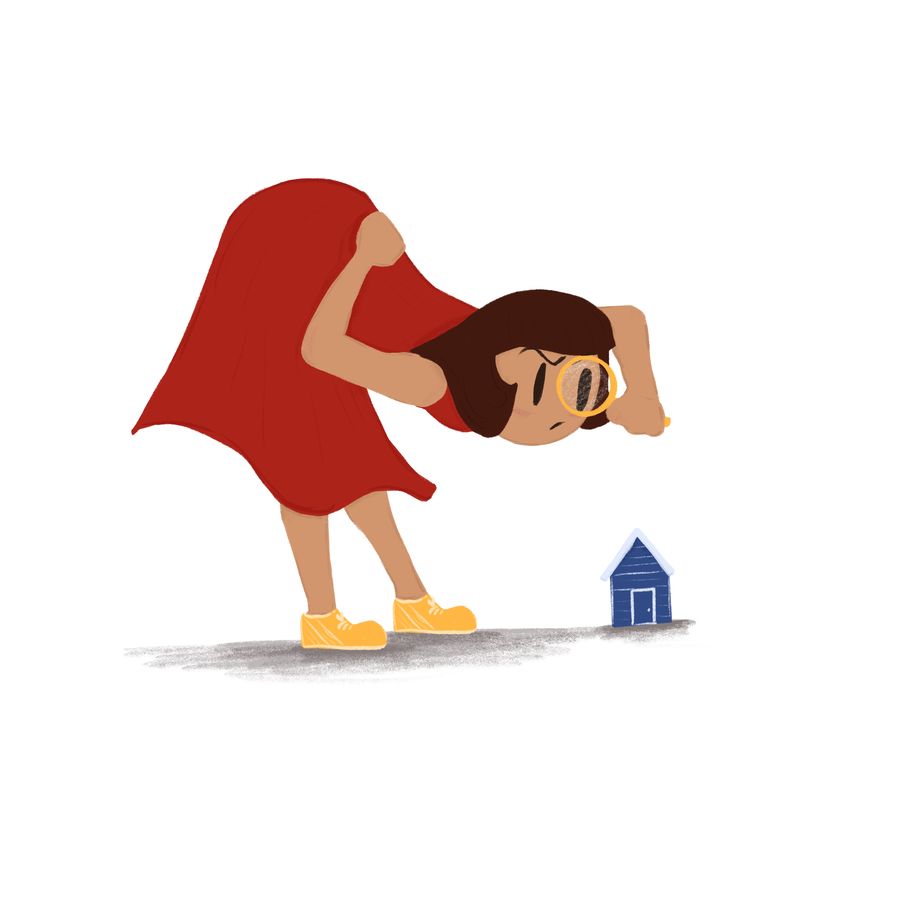
Day 17If the property is a single family home or land, normally the seller will pay for a survey to be completed. The survey will show the boundaries of the property and will highlight any encroachments on or by the neighbors.

Termite Inspection
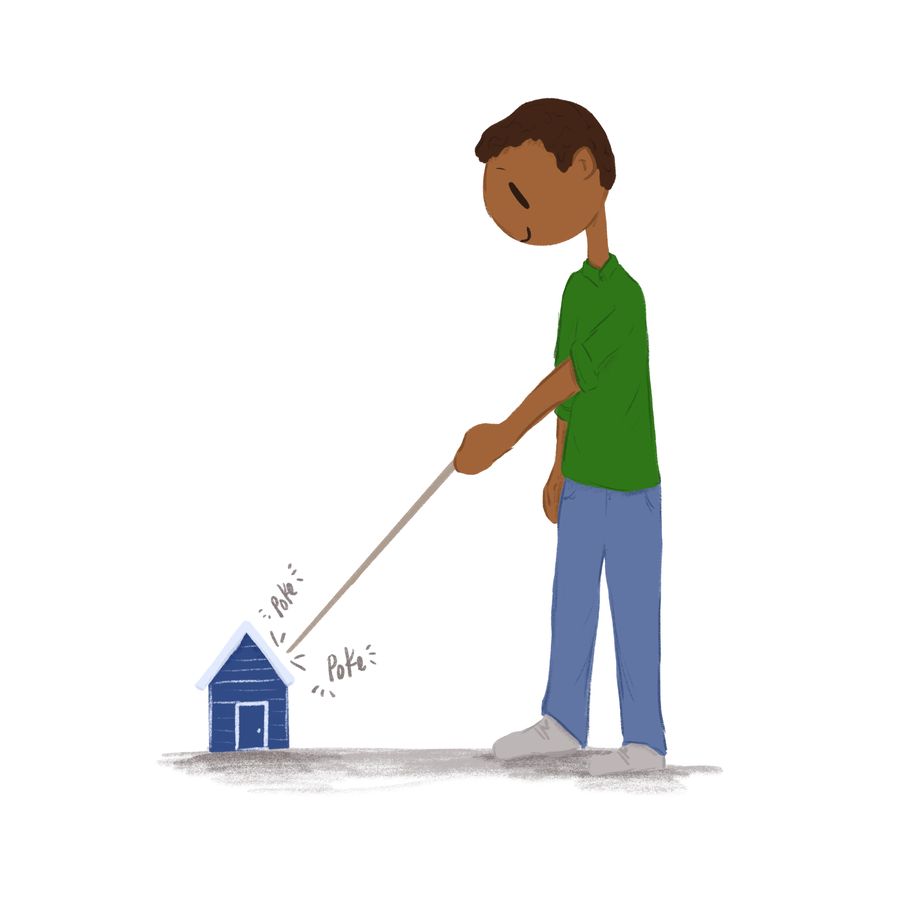
Day 20In the first few days of the escrow period, the buyer will select a termite inspector. Around day 20, the inspector will investigate the home and produce a report showing any termite infestation that may be present. Typically, the seller pays for the inspection and pays for any termite treatment that may need to occur.
Conditional Loan Approval (CLA)
Day 25From the time of the buyer's first pre-approval by a lender until closing, the buyer's lender is investigating two primary things:
- Is the buyer able to pay the loan off?
- Is the property suitable collateral for the loan?
Once the lender is largely satisfied on both fronts, they'll issue a CLA, which the buyer will provide to the seller as assurance that the transaction will close.

Final Loan Approval (FLA) and Down Payment
Day 30About 5 days after CLA, the lender will provide another letter giving final loan approval. The buyer will pass the letter on to the seller.
Around the same time, the buyer should move the remainder of their down payment (in addition to the earnest money deposit already made) to escrow. Normally, the buyer will wire these funds to escrow.

Signing and Final Walk-Through
Days 30–32The buyer will do one last walk-through to make sure the property is in its expected condition.
The lender and escrow will prepare a large pile of documents for the buyer to sign. Many buyers confuse "signing" with "closing," but they are two different things. In Hawaii, signing typically happens 4 to 7 days prior to closing.

Closing!
Day 35
(or 45, or 60)In my experience, most Oahu transactions take about 45 days to complete, but there is a lot of variation. They can close in 21 days, or they can take several months in extreme situations. We aim for 35-day transactions, which are seen as speedy but often doable.
As you may imagine, then, the dates and timelines above are approximate.
In Hawaii, escrow submits the deed (which transfers the property from seller to buyer) and other documents to Hawaii's Bureau of Conveyances (BOC) 2 days ahead of the scheduled closing date. On or around 8 a.m. on the morning of closing, escrow is notified by the BOC that the documents have recorded. Then escrow informs the parties of the same.
Closing is when keys and money change hands.
When you have the keys, my moving and utilities guide will help you set up power, water, internet, and the rest of your move-in.

Artwork by Minturple LLC, artist Kyla Korkowski.